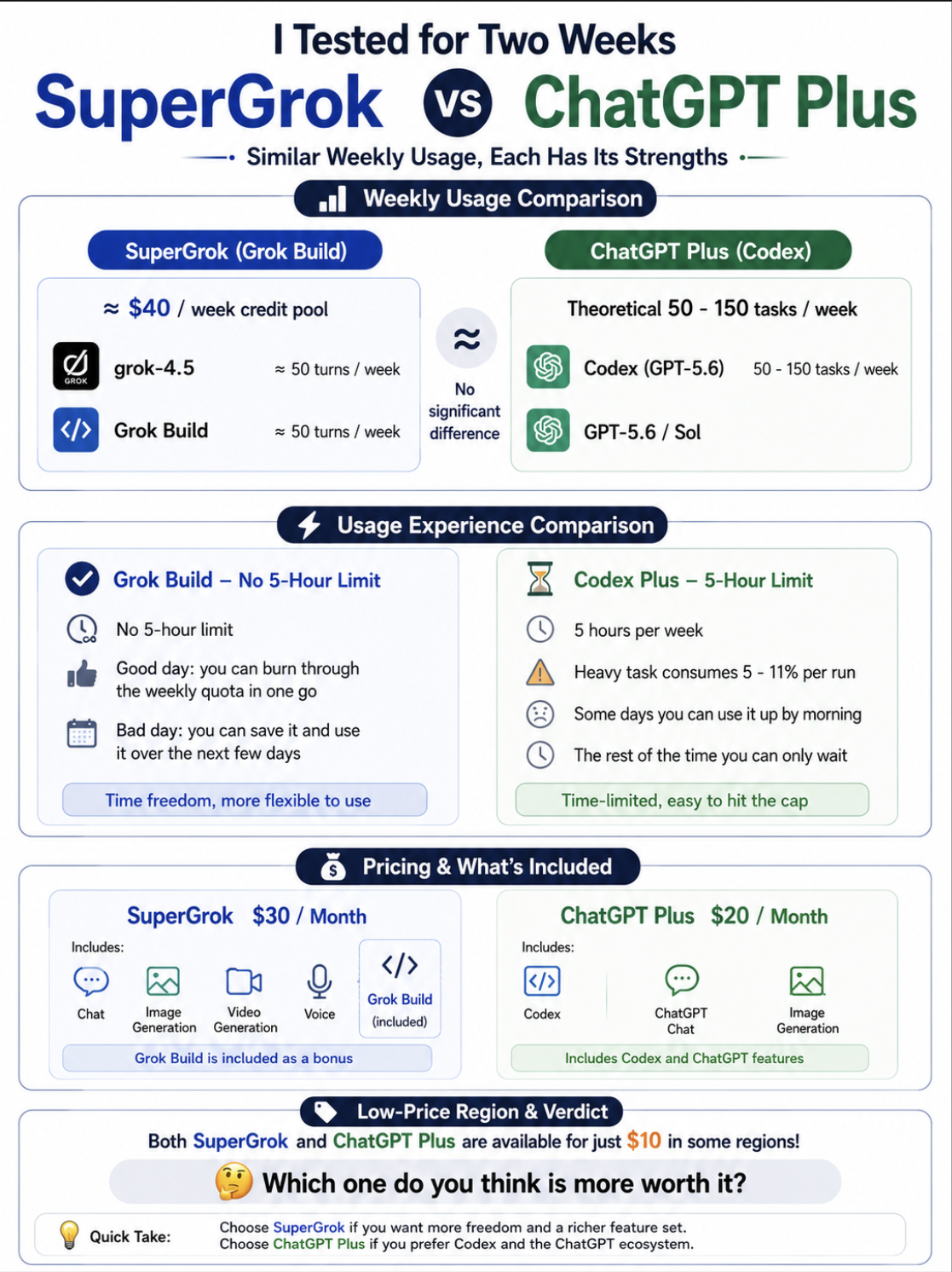
Two weeks with SuperGrok and ChatGPT Plus

More posts
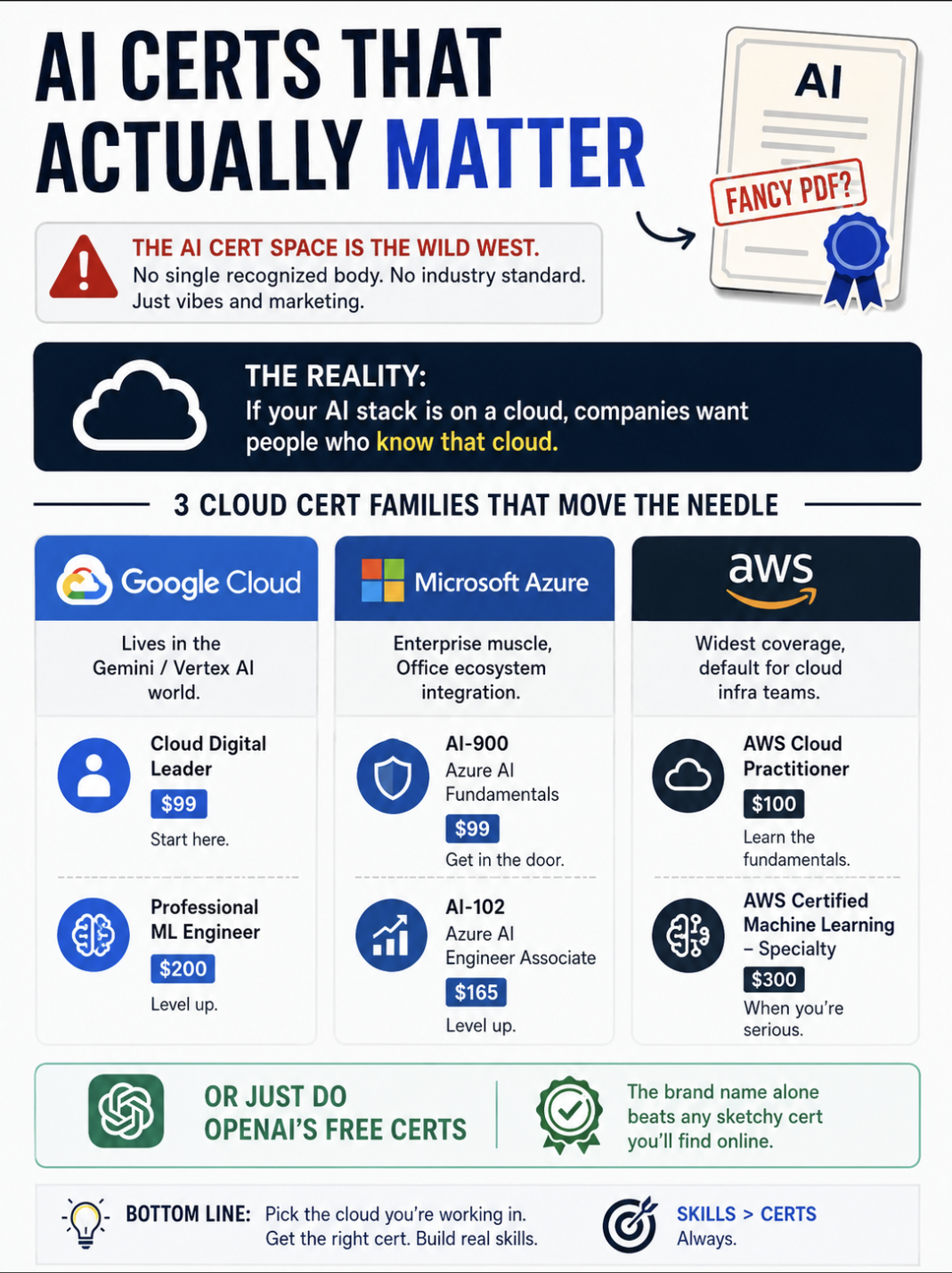
My friend just dropped real money on AI certs that are basically
fancy PDFs. The AI cert space is the wild west. No single recognized body, no industry standard. Just vibes and marketing. Here's the reality most companies operate on: if your AI stack is on a cloud, they want people who know that cloud. Three cert families actually move the needle. Google Cloud ($99 to $200): Cloud Digital Leader first, Professional ML Engineer after. Lives in the Gemini / Vertex AI world. Azure ($99 to $165): AI-900 gets you in, AI-102 levels you up. Enterprise muscle, Office ecosystem integration. AWS ($100 to $300): Practitioner for fundamentals, ML Specialty when you're serious. Widest coverage, default for cloud infra teams. Or just do OpenAI's free certs. The brand name alone beats any sketchy cert you'll find online.

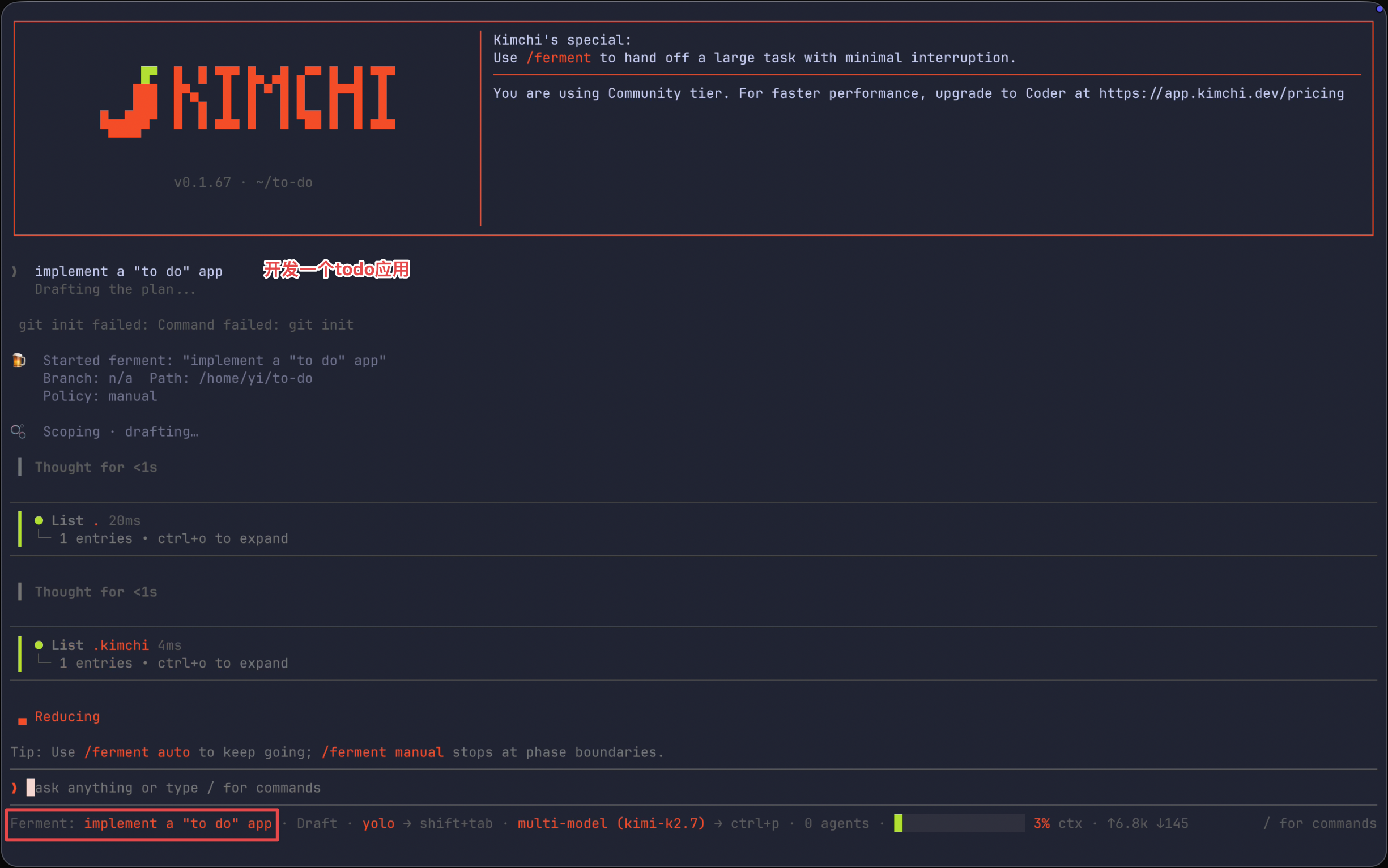
There's another open source coding agent called Kimchi.
It's built on Pi, has a /ferment mode that auto-routes tasks to different models (very similar to how I run Pii). Coding → MiniMax M3 (cheap, solid) Planning → Kimi K2.7 (strong reasoning) Codebase search → Deepseek-V4-flash (fast, dirt cheap) Multiple subagents spin up and rotate. Kimchi says 40-60% cheaper than running a single model. Free tier has a weekly quota, and like Pi you can plug in your own API keys. I tried /ferment: one sentence to build a todo app. It split the task, executed, self-reviewed, opened a PR. The output was genuinely solid.

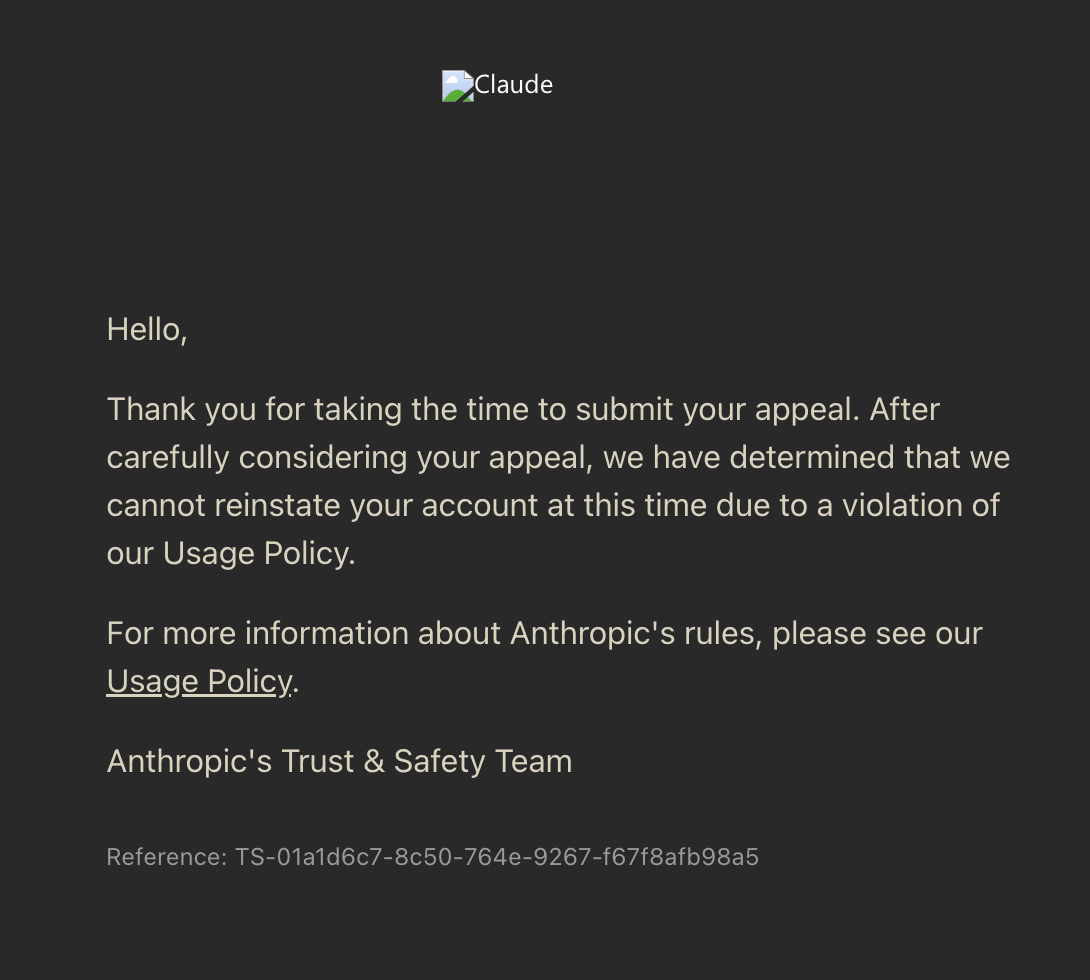
Claude appeal rejected.
Won't refund the subscription either. I'm half convinced the appeal email is itself phishing, because I'm pretty sure they log the IP. DHH came to Shenzhen recently and showed how he uses Claude Code over there. That's the safest way now, honestly: run Claude Code on an overseas machine, connect through Tailscale, never use it locally. So I need to rent an overseas box with a residential IP, and register and log into Claude there.

Sharing my current mobile only workflow.
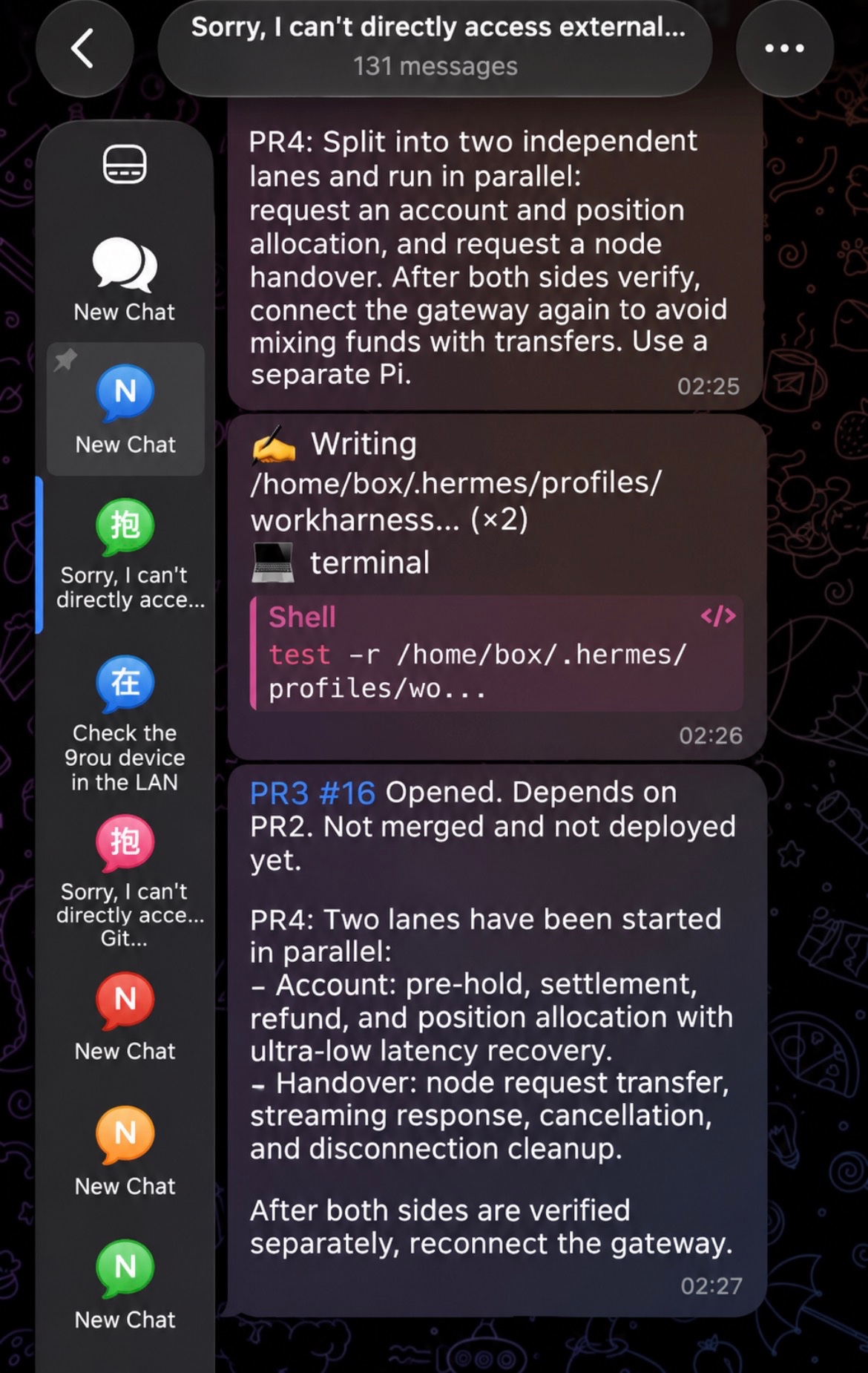
Until late September it was the usual setup: parked in front of my laptop, terminal open, bossing pi around, fanning out subagents, then eyeballing diffs myself and filing the PR. Glued to the chair all day, every day. Late September I moved the whole thing to my phone, Hermes runs the show, pi takes the orders. My back is very grateful. Three weeks in, still no regrets. Stack: Hermes on flagship brains (gpt-6-astra / opus-5.5), pi on mid-tier (ds-v4.1-flash / sonnet / terra) with as few plugins as possible, the two talking over a2a. Hermes reads the issues, slices them into small tasks, spins up a worktree for each one, and dispatches a pi into it. When a pi finishes it pings Hermes, who decides: ship the PR or bounce it back for rework. I get back from a full day of being a tourist, or just wake up, and a dozen PRs are sitting there done. Pretty sweet. The catch is how black-box the whole thing is. My emotional arc has been a rerun of early vibe coding, except back then I at least read the diffs. Now even that goes to a flagship model. Boxes all the way down. If you don't have data anxiety, grok-bot and chatgpt-dot basically ship this out of the box, grok-cli and codex built in, native agent-to-agent comms. Downside: your code lives on their servers, everything's moderated, and one ban takes it all with it.