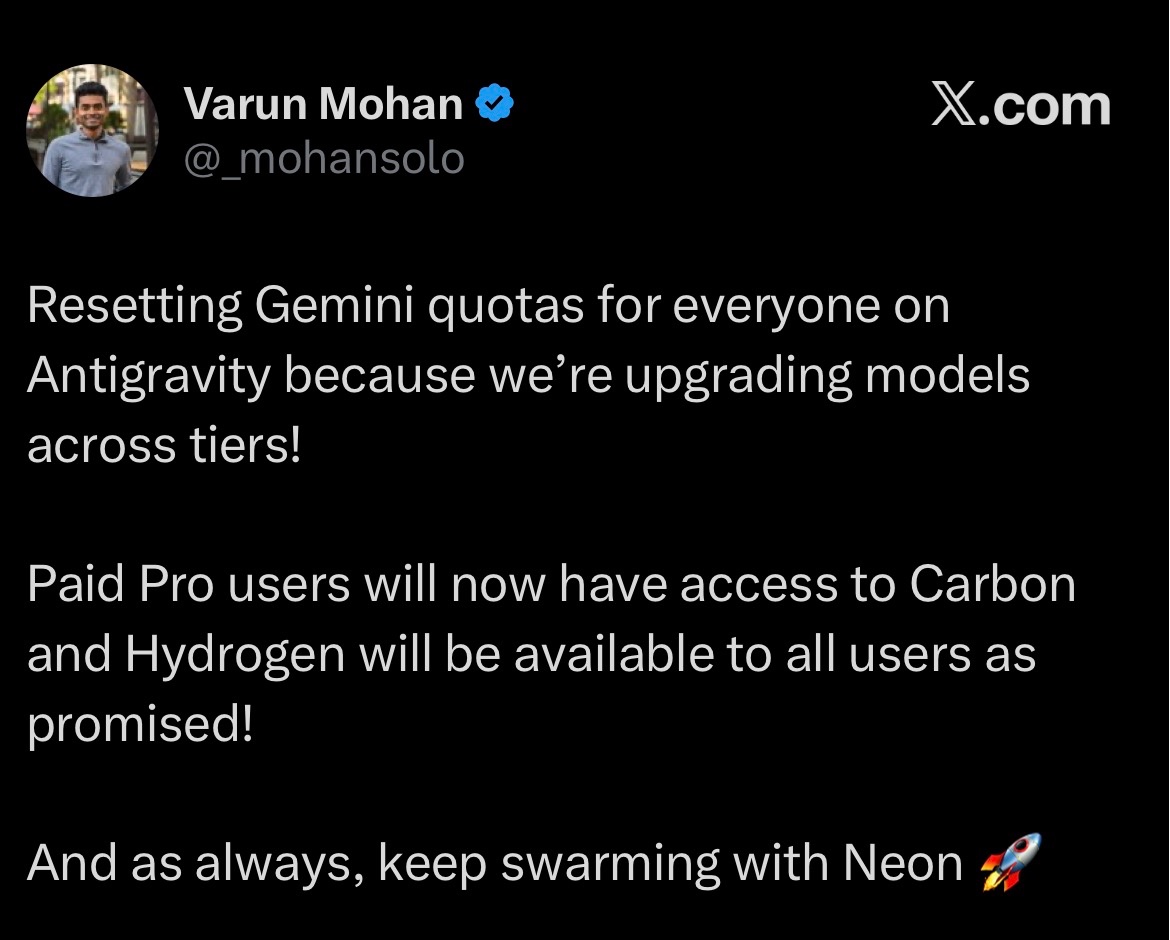
wtf, Antigravity just reset the weekly quota.
Pro users get Carbon now, and everyone gets Hydrogen.
Pro users get Carbon now, and everyone gets Hydrogen.
More posts
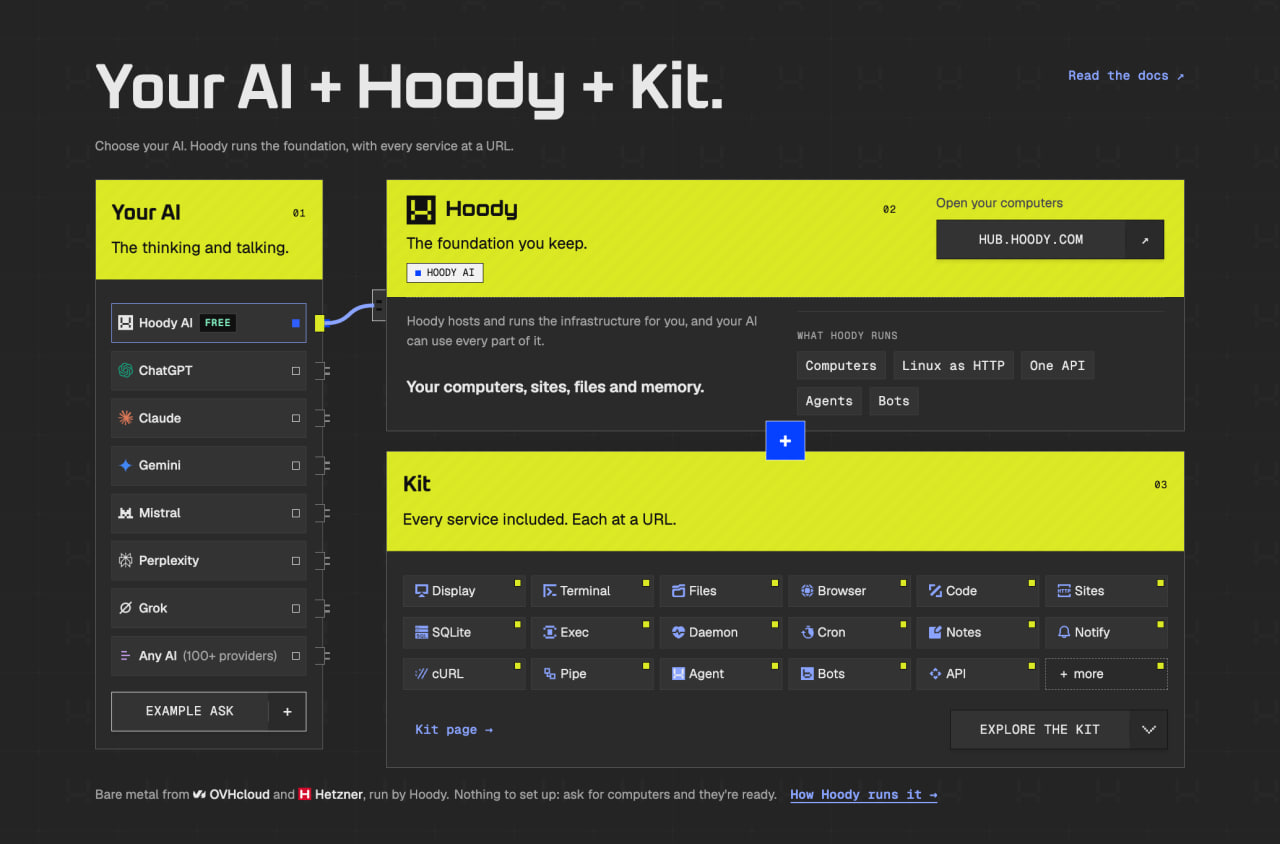
Debian 13, ready to go. You can have a site online in about a minute, with HTTPS and your own domain.
Hoody splits that cloud Debian box into a set of HTTPS links. Desktop, terminal, files, browser, database, cron, any port. Each one is a URL your agent can call directly.
API, SDK and CLI all hit the same programmable layer, with 1100+ operations. `npm install hoody-sdk`, or `curl -fsSL https://install.hoody.com | sh`.
Free to start, no credit card. Hoody AI is built in. You can also plug in your own ChatGPT or Claude plan and run Claude Code inside Hoody.
Right now Hoody is out of machines. Set your agent a cron job to grab one when they come back.
. Kazakhstan, US, Singapore. Holding steady so far.
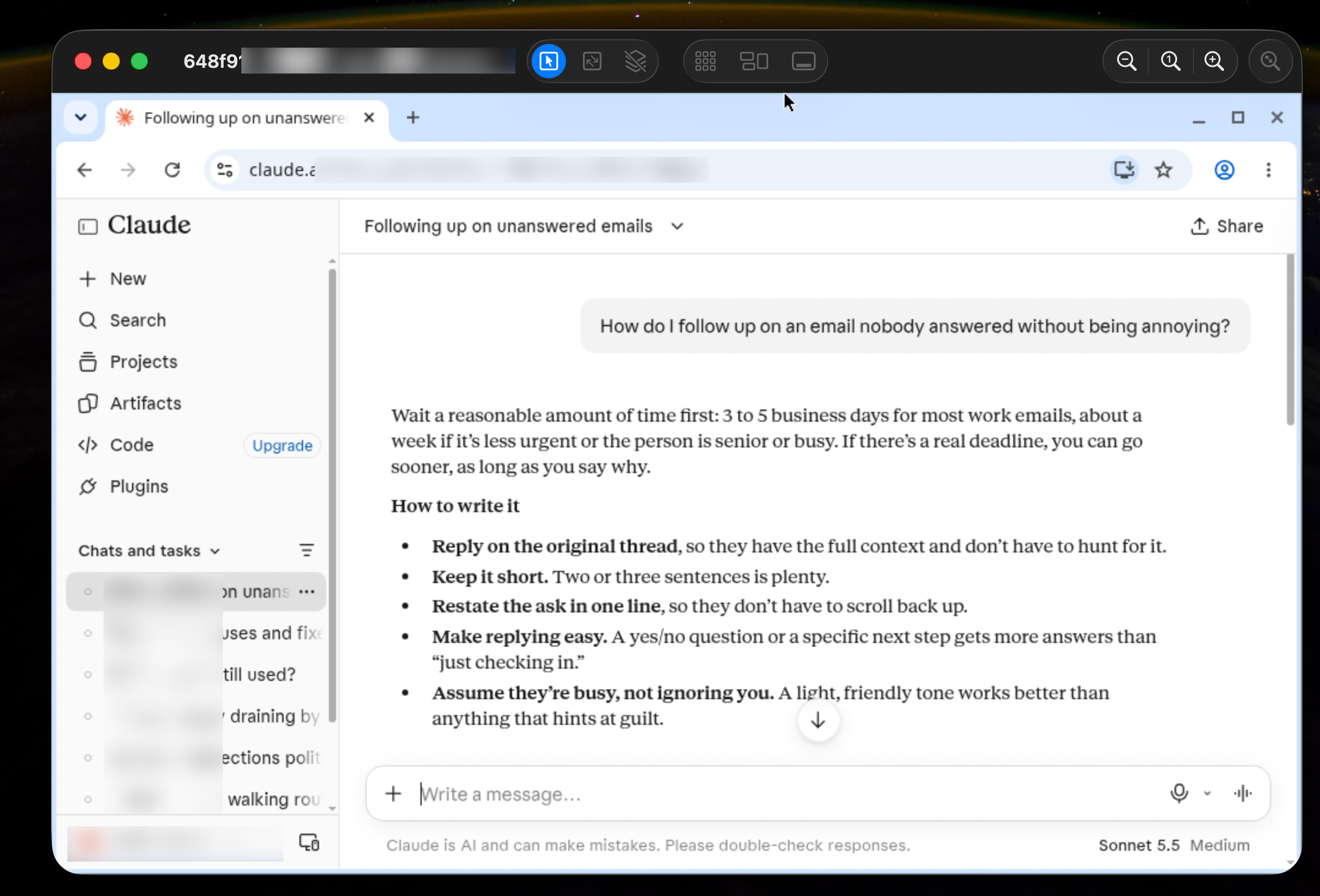
Agent drops in twice a day at random times, chats with Claude about whatever. Hit one week → fire up Pro with the matching region's card. Hit one month → Max.
It launched on Nov 18. Six days later Google said it broke the paid API's first-day usage record.
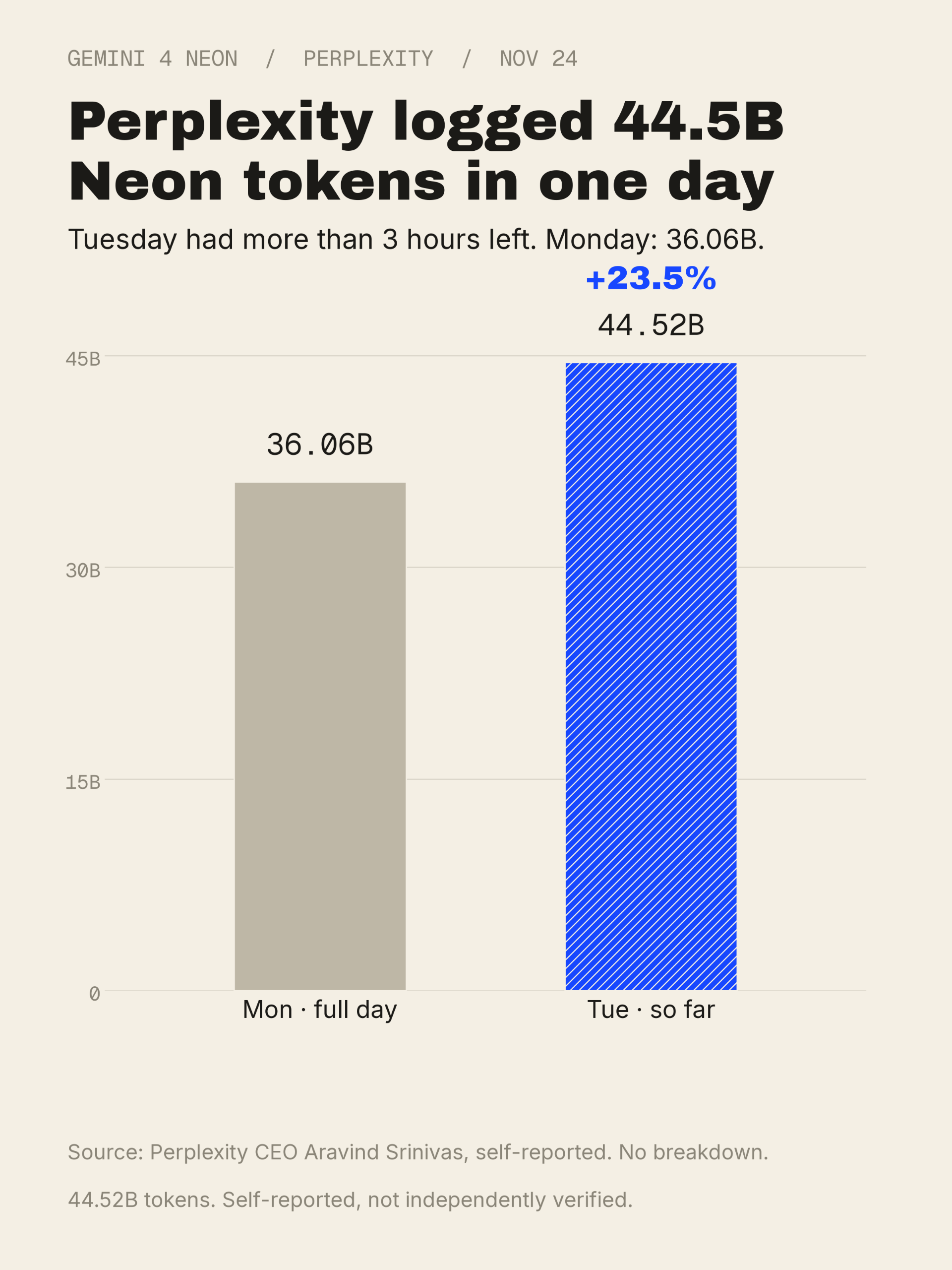
Perplexity said Neon doubled in three days. Monday: 36 billion tokens. Tuesday with three hours left: 44.5 billion.
That week on OpenRouter, spend on Google models beat spend on OpenAI models.
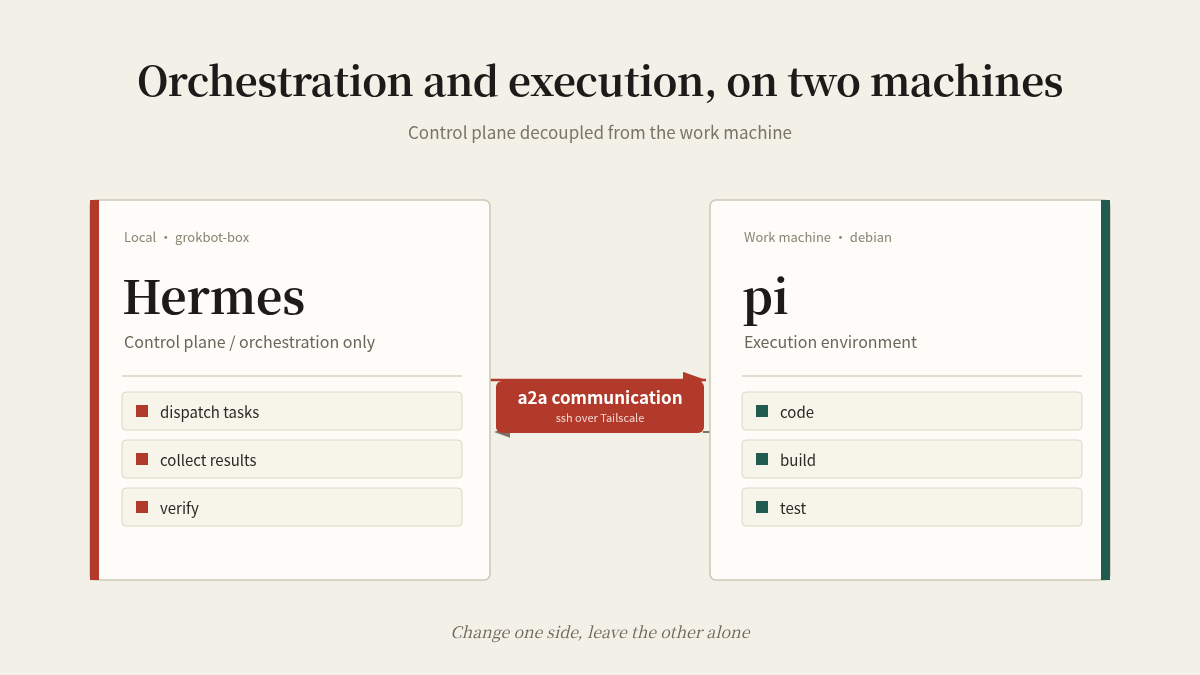
Hermes lives on a cloud box, 2 cores and 4 GB of RAM. It only orchestrates now: hand out tasks, collect results, check the work. Keeping it off the machine that does the work means it stays up.
Everything else runs on a Debian box inside my tailscale network, 4 cores and 16 GB. Code, builds, tests, all of it. I dispatch jobs to pi over a2a.
Browser automation is on its own too, in a free cloud container. If that container gets deleted, I lose cookies. That's the whole loss.
So the work box can die and Hermes won't notice. I can even spin up a bot inside Hermes just to look after that box: migrations, upgrades, moving things around.