Found Spokely. It takes local models and your own API key.
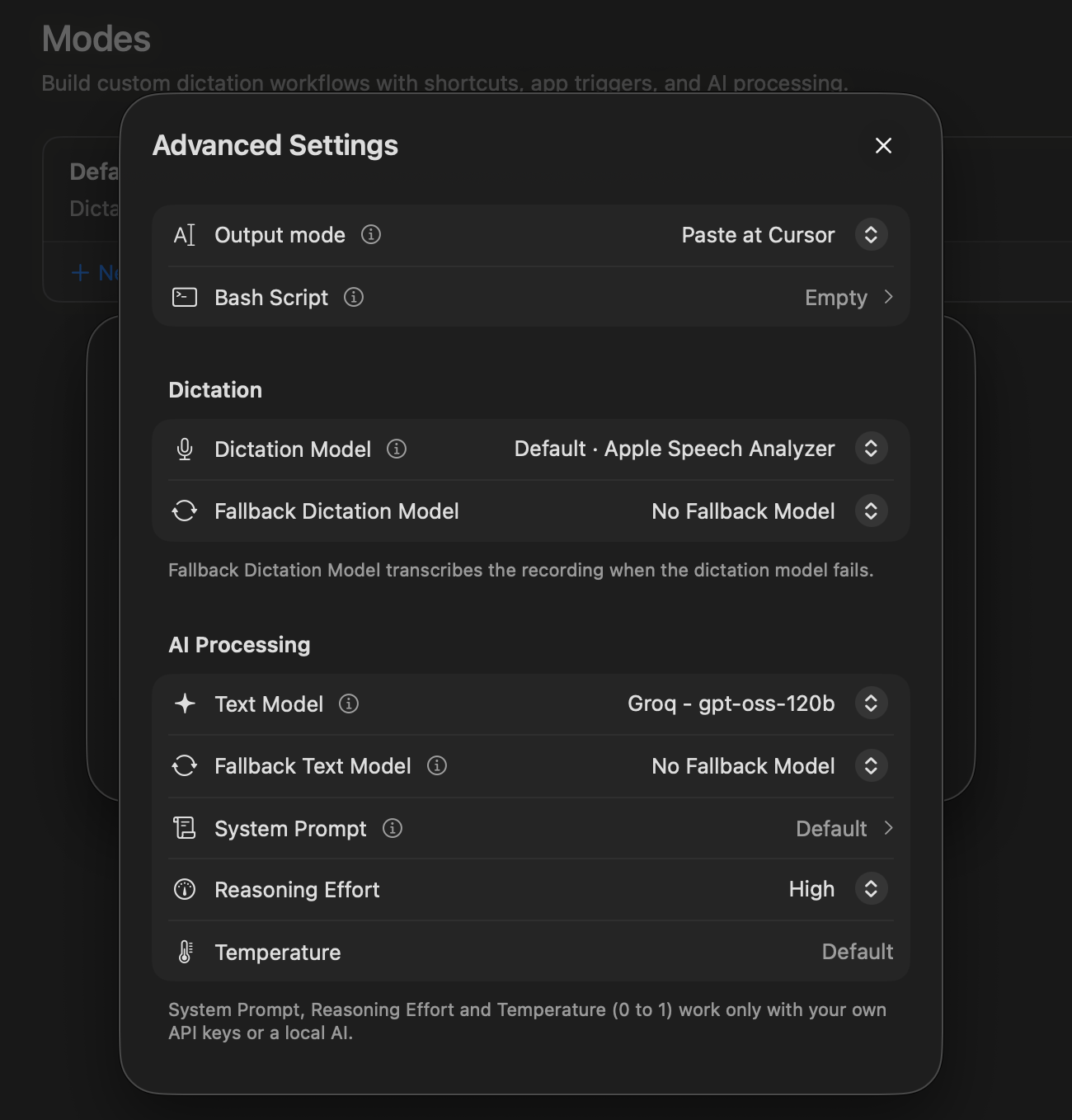
For STT I use Apple's on-device speech model. For tone cleanup I use my Groq key with gpt-oss-120b.
Mixed Chinese and English input works most of the time. So far it's been good.
More posts
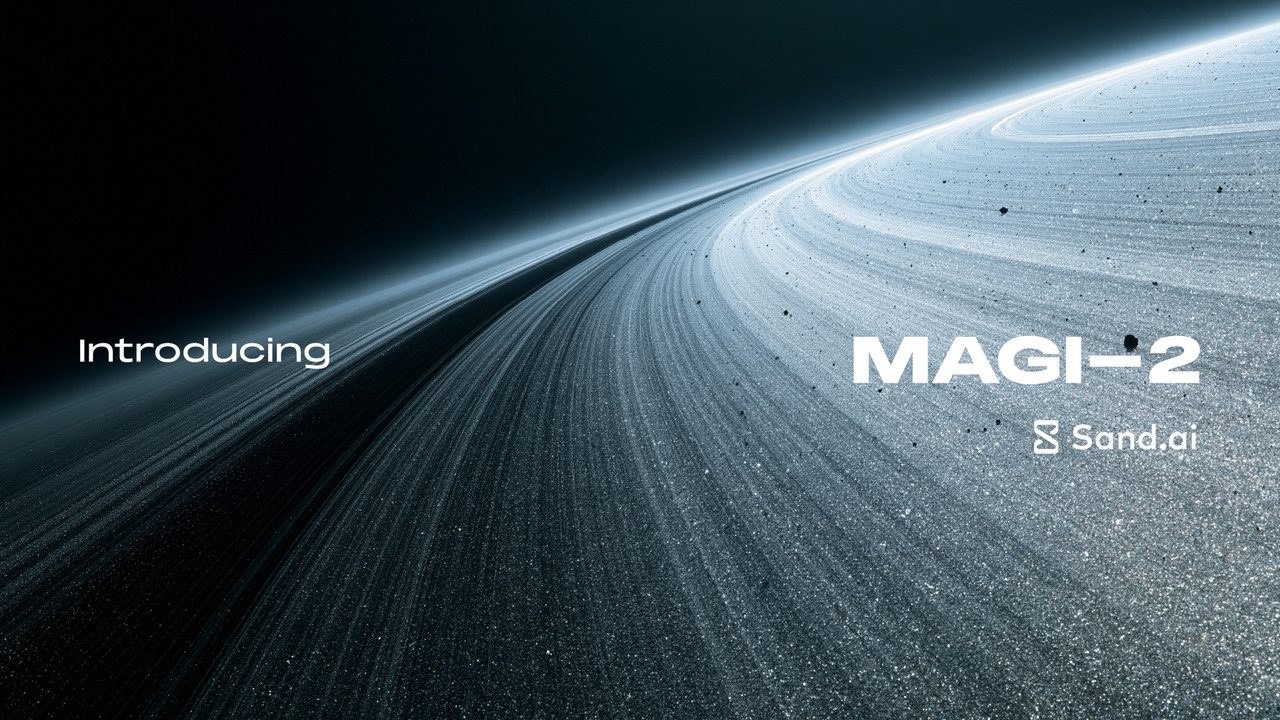
The company says it has 480B parameters and can generate 30 seconds of 1080p video with audio in a single pass, taking up to 20 reference inputs.
On Artificial Analysis's image-to-video-with-audio leaderboard, MAGI-2 comes in first at 1165. Seedance 2.5 is right behind at 1161. Text-to-video goes the other way: MAGI-2 gets 1150 to Seedance's 1155.
Only the 114B Preview is open source. The flagship weights haven't been released yet.

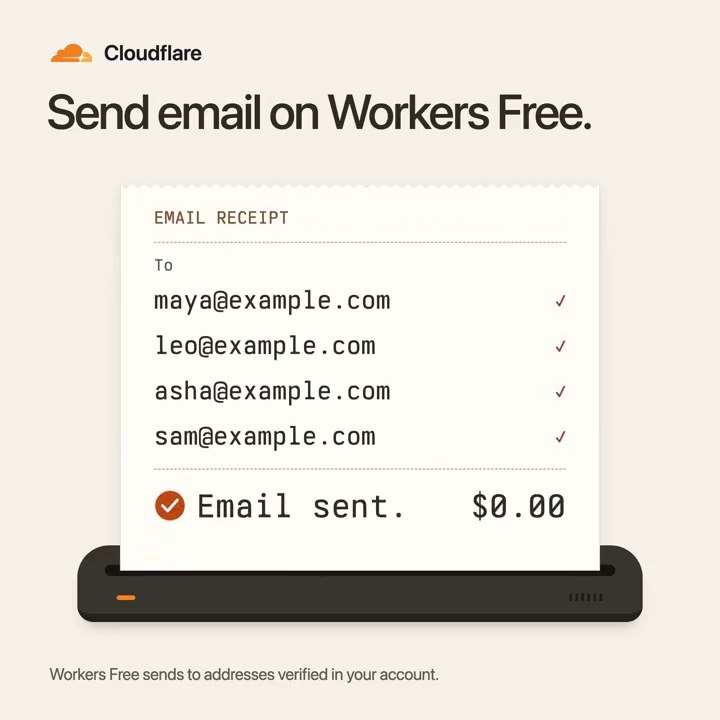
On the free plan you can use your own sending domain and send alerts and notifications through a Workers binding, the REST API, or SMTP. Only addresses verified in your account can receive them.
Sending to any other inbox still needs Workers Paid. Mail to verified addresses doesn't count against your quota or the daily sending cap.

It launched on Nov 18. Six days later Google said it broke the paid API's first-day usage record.
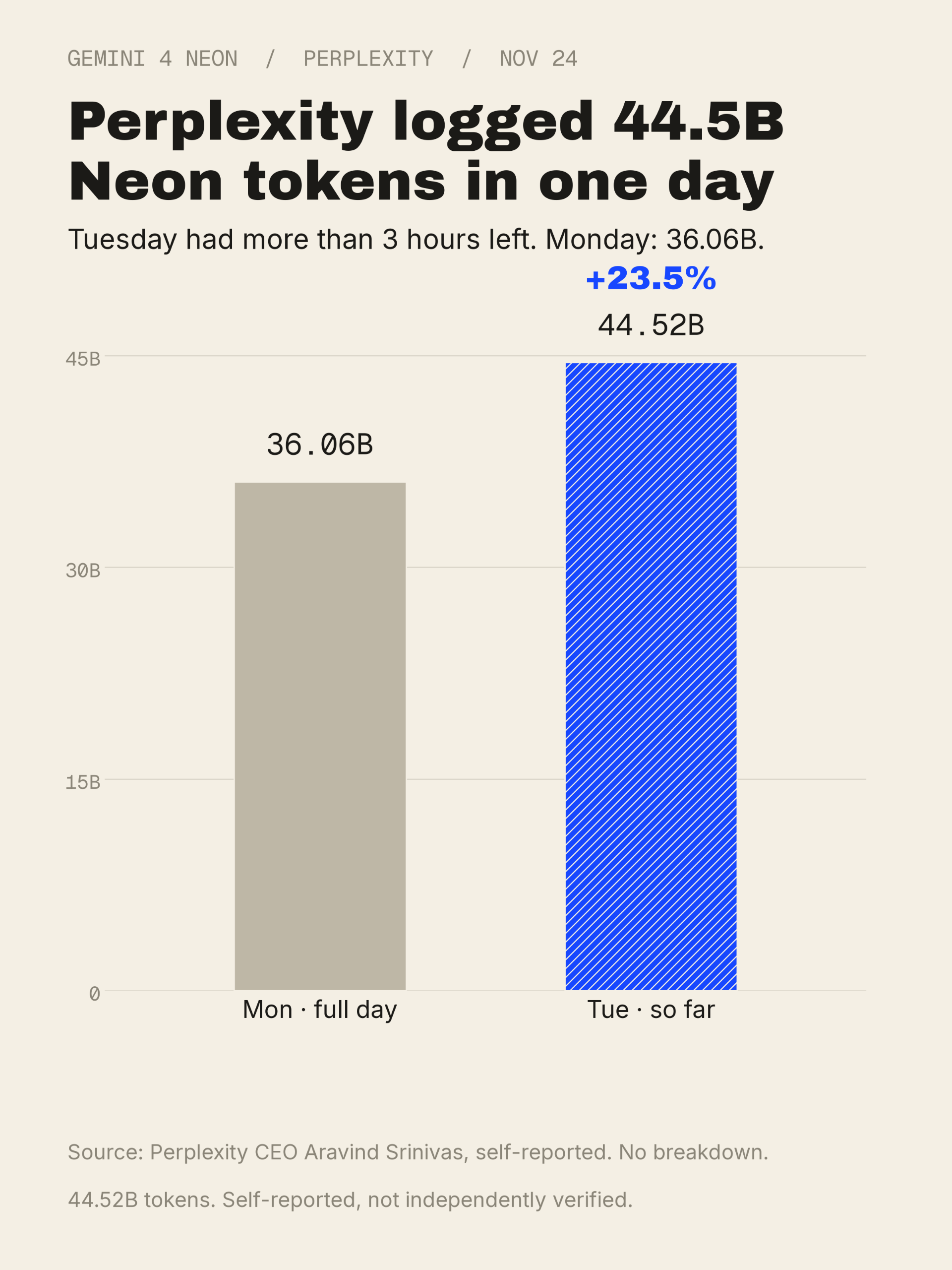
Perplexity said Neon doubled in three days. Monday: 36 billion tokens. Tuesday with three hours left: 44.5 billion.
That week on OpenRouter, spend on Google models beat spend on OpenAI models.

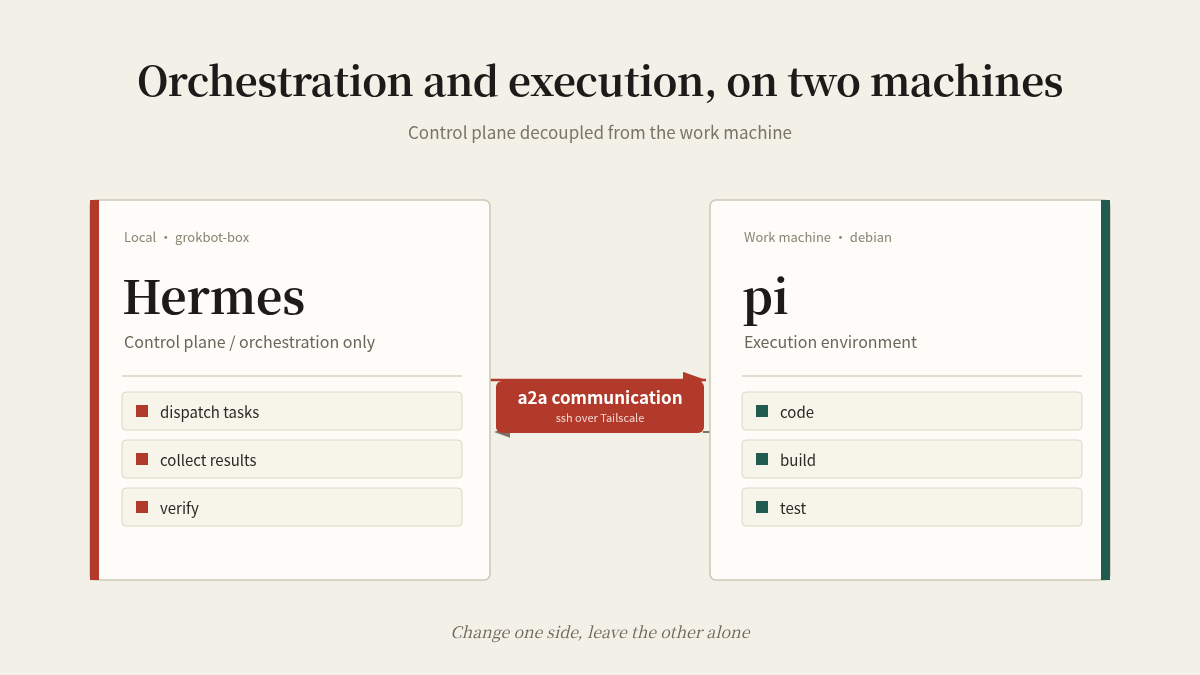
Hermes lives on a cloud box, 2 cores and 4 GB of RAM. It only orchestrates now: hand out tasks, collect results, check the work. Keeping it off the machine that does the work means it stays up.
Everything else runs on a Debian box inside my tailscale network, 4 cores and 16 GB. Code, builds, tests, all of it. I dispatch jobs to pi over a2a.
Browser automation is on its own too, in a free cloud container. If that container gets deleted, I lose cookies. That's the whole loss.
So the work box can die and Hermes won't notice. I can even spin up a bot inside Hermes just to look after that box: migrations, upgrades, moving things around.