More posts
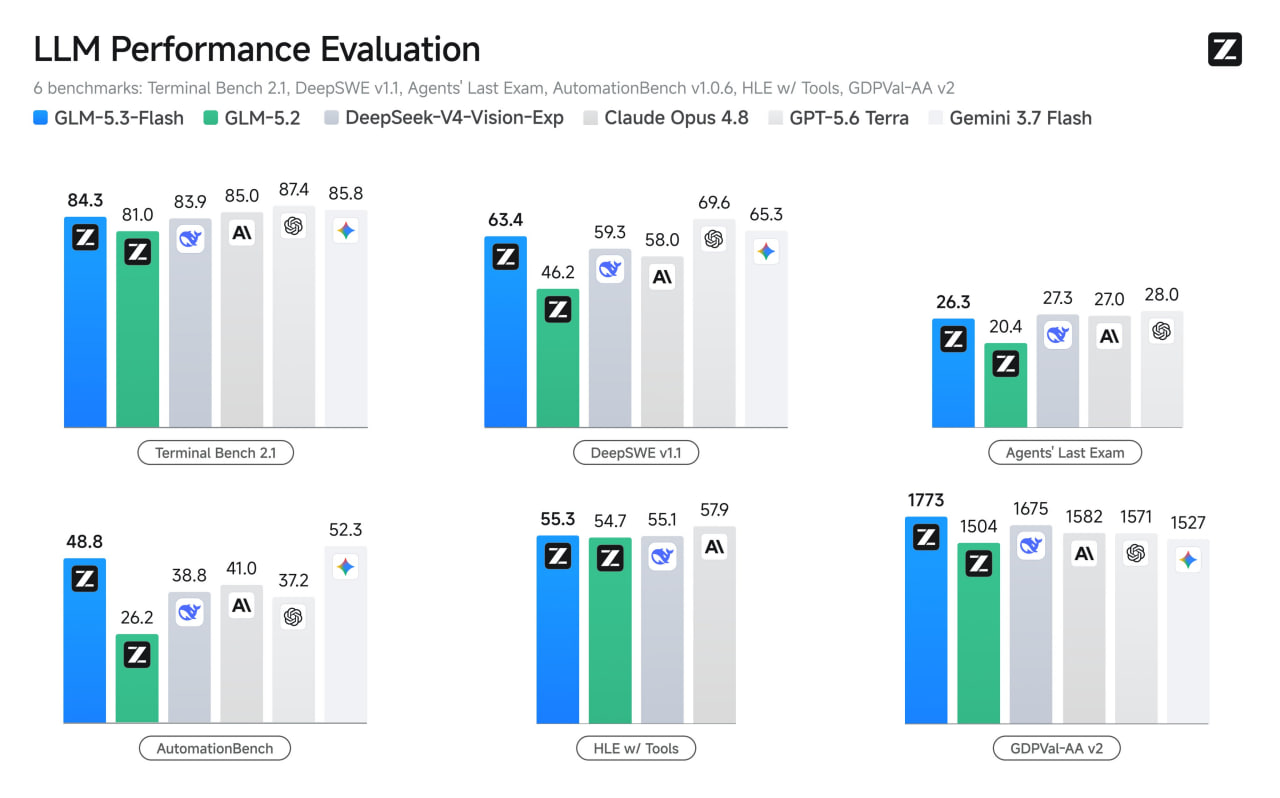
First native multimodal in the GLM-5 family. MoE 320B / 18B active. Smartness 57 (~Opus 4.8). Native vision, 1M context. $0.15 in / $0.50 out per M tokens. A bit pricier than DeepSeek V4-Flash-Vision-Exp from a few days ago, but the smartness jump matters: V4-Flash-Vision-Exp only scores 40, and its vision is bolted on, not native.

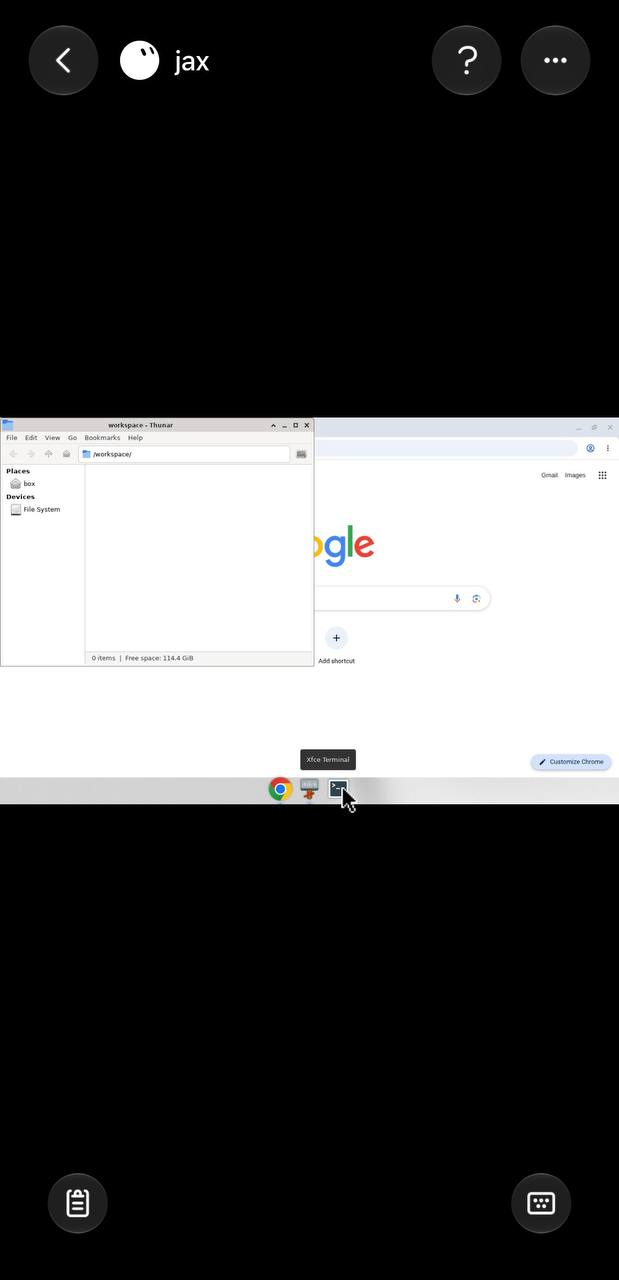
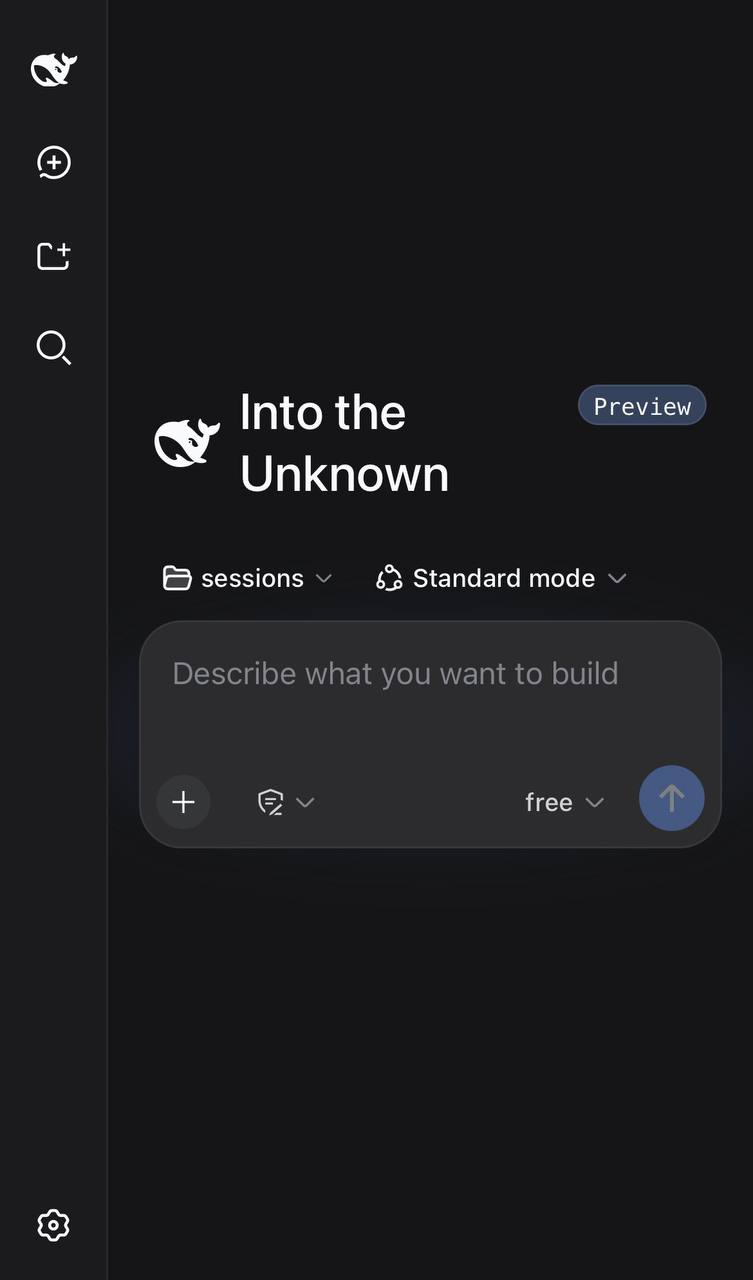
I'm probably switching from Pi to DSH. Main reason: I don't want to carry a laptop around anymore. DSH and Pi are similar: two-layer loop, everything's a plugin, migration should be painless. Old remote setup was Tailscale + tmux + Termius + Claude Code on a server. It worked, but the mobile terminal was painful for both commands and file transfers. DSH's web UI just fits mobile. No IDE bloat. Sessions live in the browser, so a disconnect doesn't kill your task. Need to show the agent an image? Write an upload plugin and send it from the web. One real downside: DSH's security model doesn't allow remote access, so you have to patch the source to expose the web UI through your tunnel. It's still beta, so I'm betting the team adds proper remote support eventually.

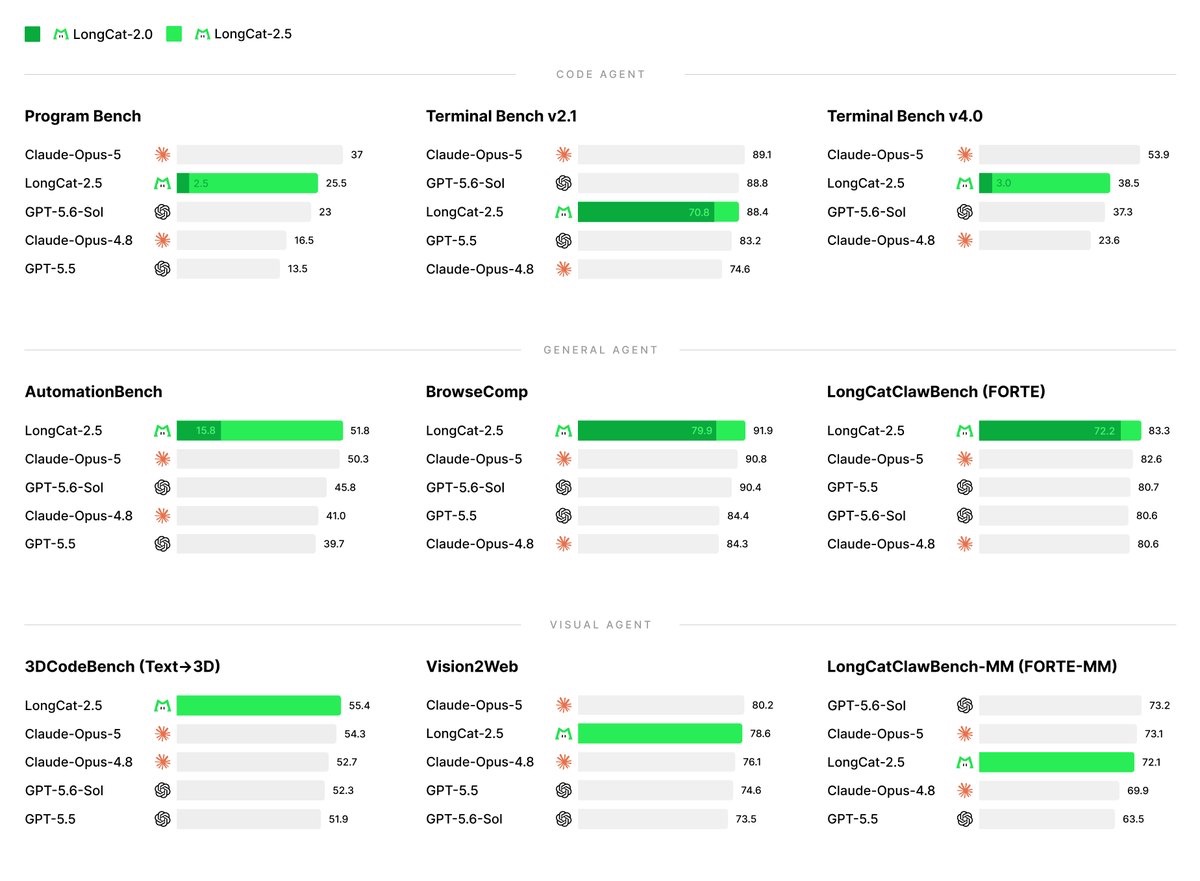
. 1.6T params, ~48B active, native multimodal, aimed at long-horizon agents, trained start to finish on Chinese hardware. Images get quantized into multi-level discrete tokens, and that's where Visual Coding and 3D pick up. On the RL side, failed trajectories get turned back into verifiable training tasks. W4A4 inference, 43% faster prefill. Meituan's own evals put it between Claude Opus 4.8 and Opus 5.

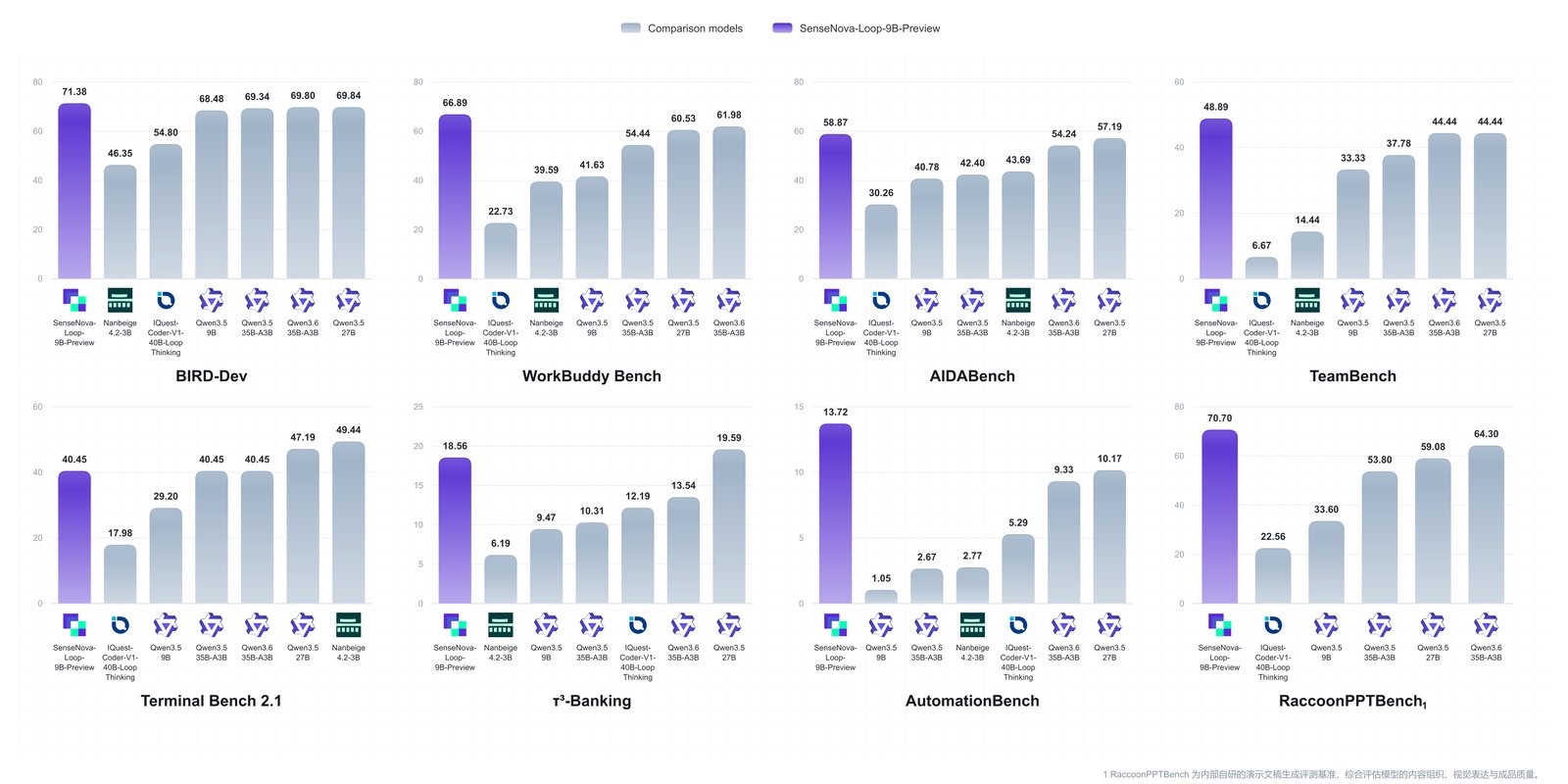
It stacks layers instead of parameters. The decoder has 32 layers, but layers 4 through 27 run twice with shared weights, so a forward pass does 56 layers of work while the checkpoint stays at 9B. Their own eval numbers: 71.38 on BIRD-Dev and 13.72 on AutomationBench, both above Qwen3.5-27B. Terminal Bench is still behind.