More posts
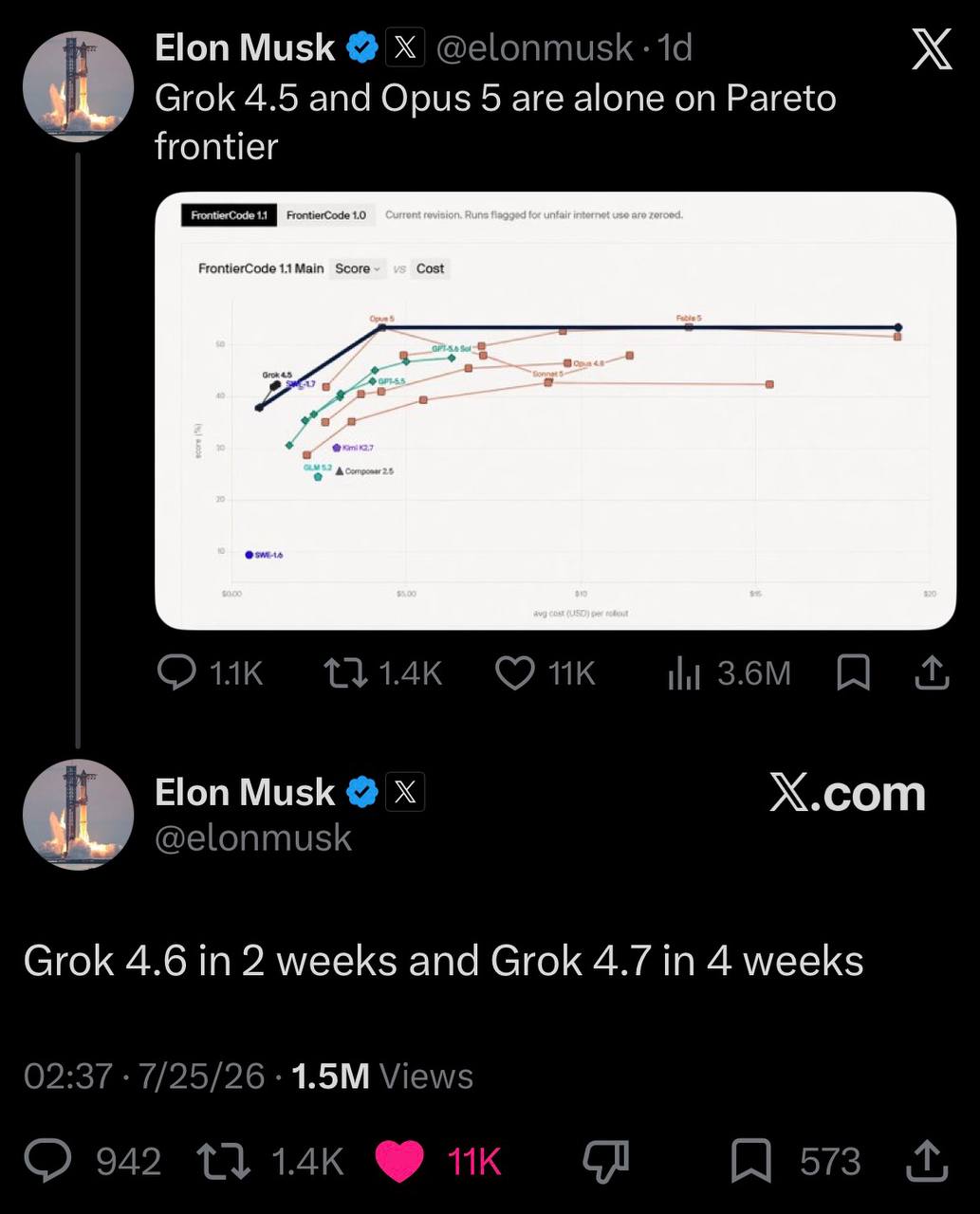
. Musk says they're gunning for Kimi K3.

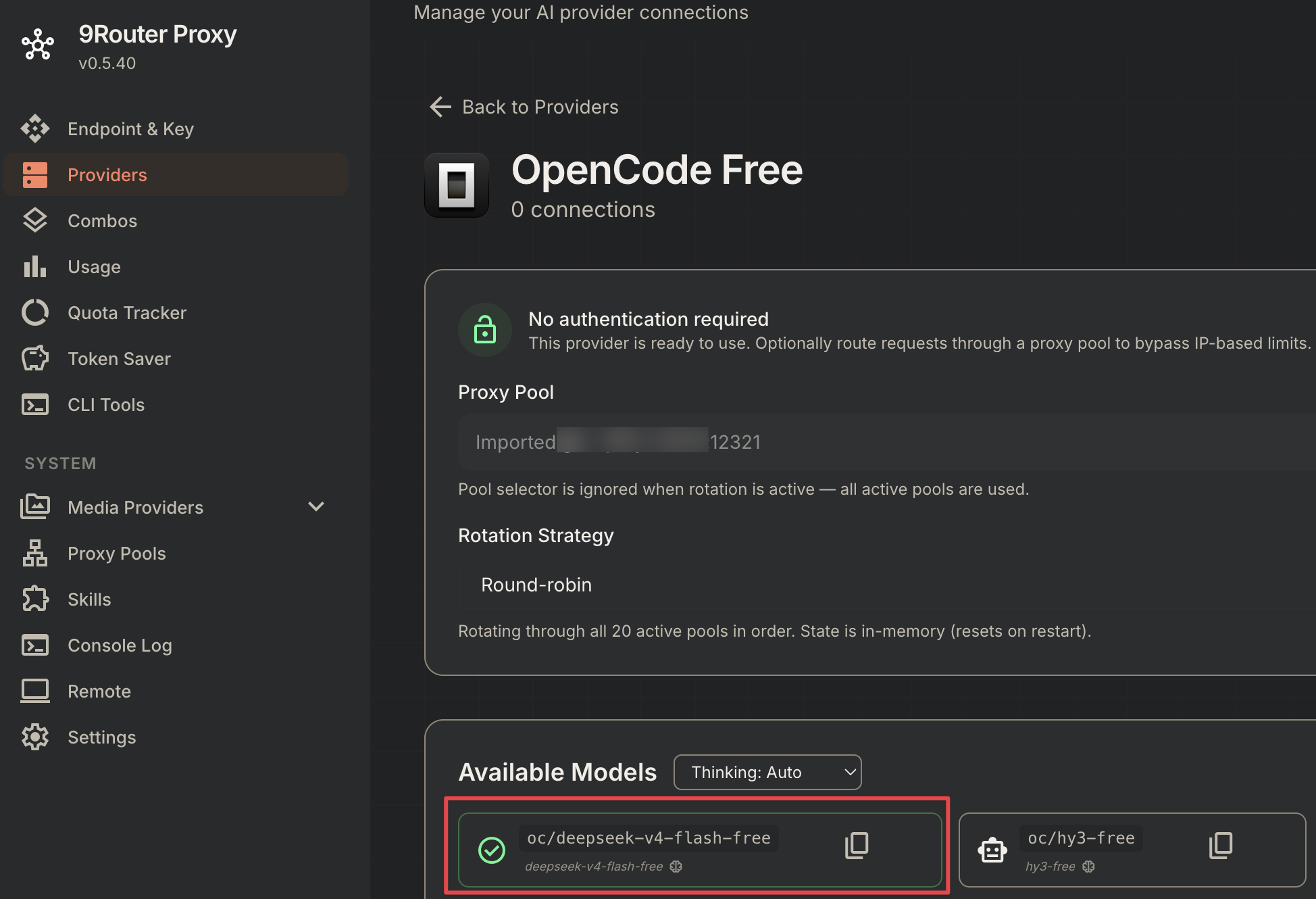
relay services offering grok-4.5 as low as 0.1 yuan per 1M tokens. Dug in — the trick is dead simple.At its core it's an account pool polling free grok accounts for their quota. No public number on free grok-4.5 limits, but what I found is ~1M tokens/day. In practice on pi it felt like less.Grok accounts don't currently care about IP, but I'd still route through a proxy pool — one account, one IP, safer. Those same IPs can also poll free models on opencode and mimo code (deepseek-v4-flash, mimo-v2.5-pro).I wired up a 20-IP pool. opencode + mimo code free models easily cover a general agent's daily tasks.For the account/proxy pool tooling, use 9router — it lets you bundle different models into one custom route. E.g. free models from different providers under different names, merged into a single "free" endpoint.Its token-saver is also great: cuts token use across tools, language, and code.9router seems to have a bug. Over public internet it fails constantly; local deploy or Tailscale works rock solid.IPs: webshare. Free tier gives 10 IPs, 1GB/month — more than enough if you budget it.9router: github.com/decolua/9routerFree proxies: webshare.io/?referral_code=pauzhzfueq8v

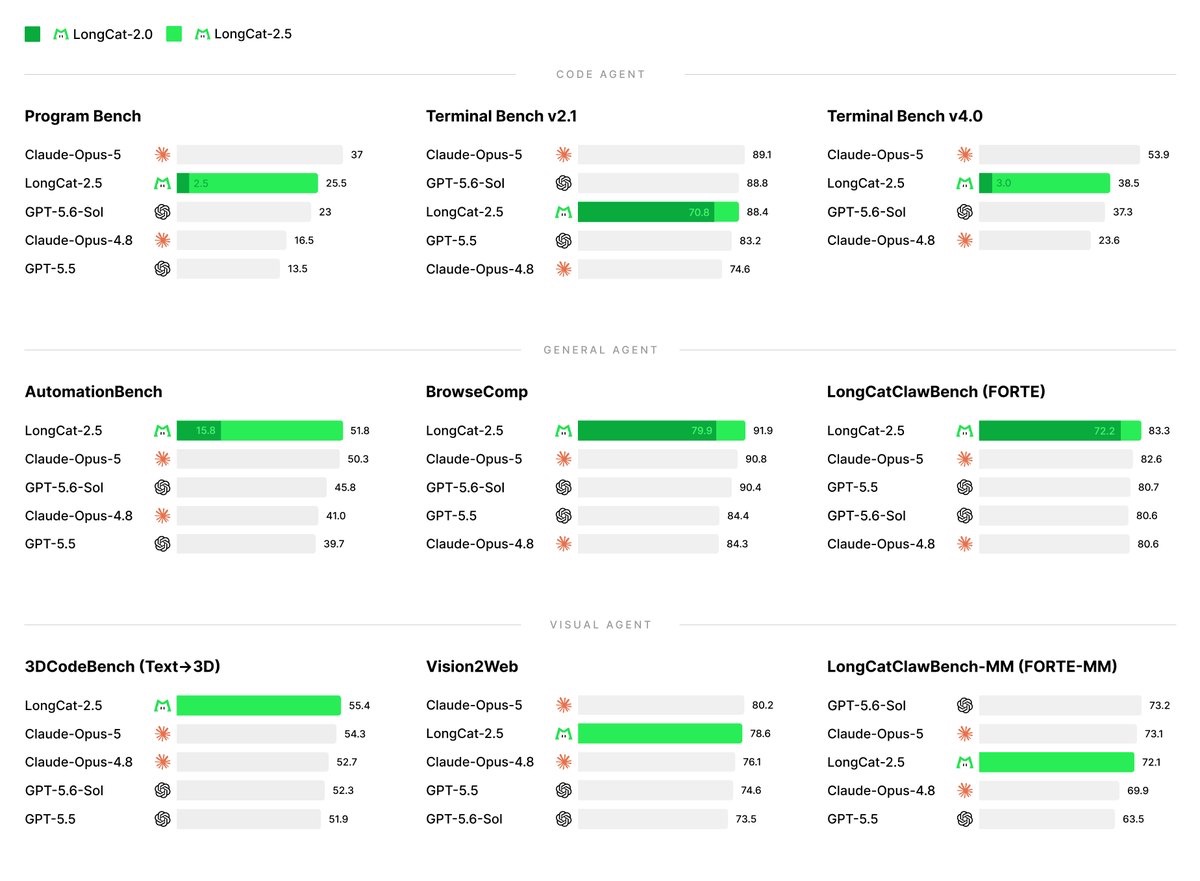
. 1.6T params, ~48B active, native multimodal, aimed at long-horizon agents, trained start to finish on Chinese hardware. Images get quantized into multi-level discrete tokens, and that's where Visual Coding and 3D pick up. On the RL side, failed trajectories get turned back into verifiable training tasks. W4A4 inference, 43% faster prefill. Meituan's own evals put it between Claude Opus 4.8 and Opus 5.

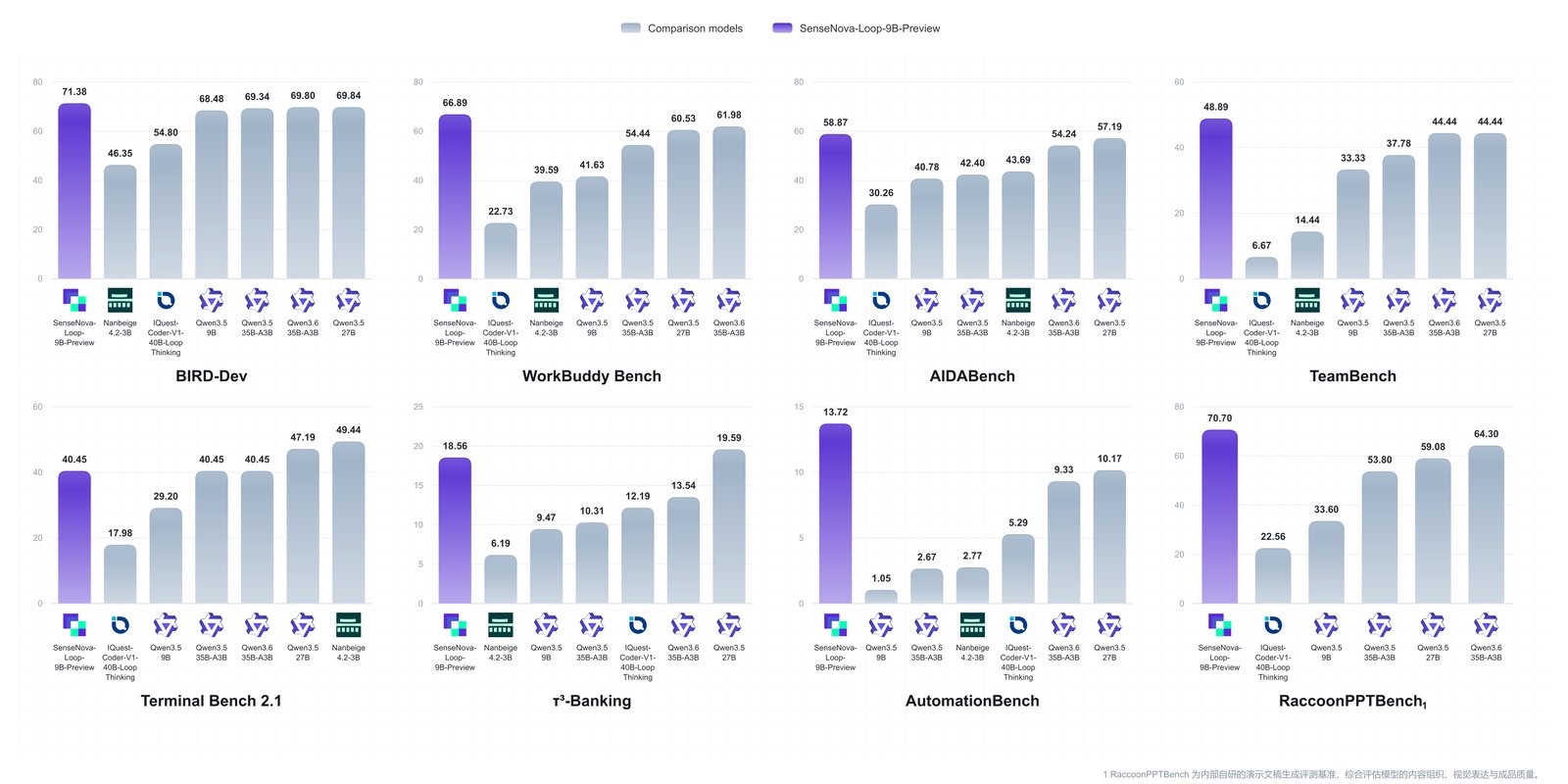
It stacks layers instead of parameters. The decoder has 32 layers, but layers 4 through 27 run twice with shared weights, so a forward pass does 56 layers of work while the checkpoint stays at 9B. Their own eval numbers: 71.38 on BIRD-Dev and 13.72 on AutomationBench, both above Qwen3.5-27B. Terminal Bench is still behind.